Tree removal cost: what you'll pay by height, type and job
Most homeowners pay $450 to $1,200 to have a 30–60 ft tree cut down, based on the middle of nine published price guides. A small tree under 30 ft usually costs about $175–$450, a 60–80 ft tree about $830–$1,500, and a tree over 80 ft about $1,080–$2,000 before extras. Stump grinding, hauling the wood, a crane, or a roof or power line underneath can each push the final bill well past those figures.
The ranges are wide because every tree is a slightly different job. The rest of this guide breaks the price into the parts a tree service actually quotes, so you can see where your own number should land.
Tree removal cost by height
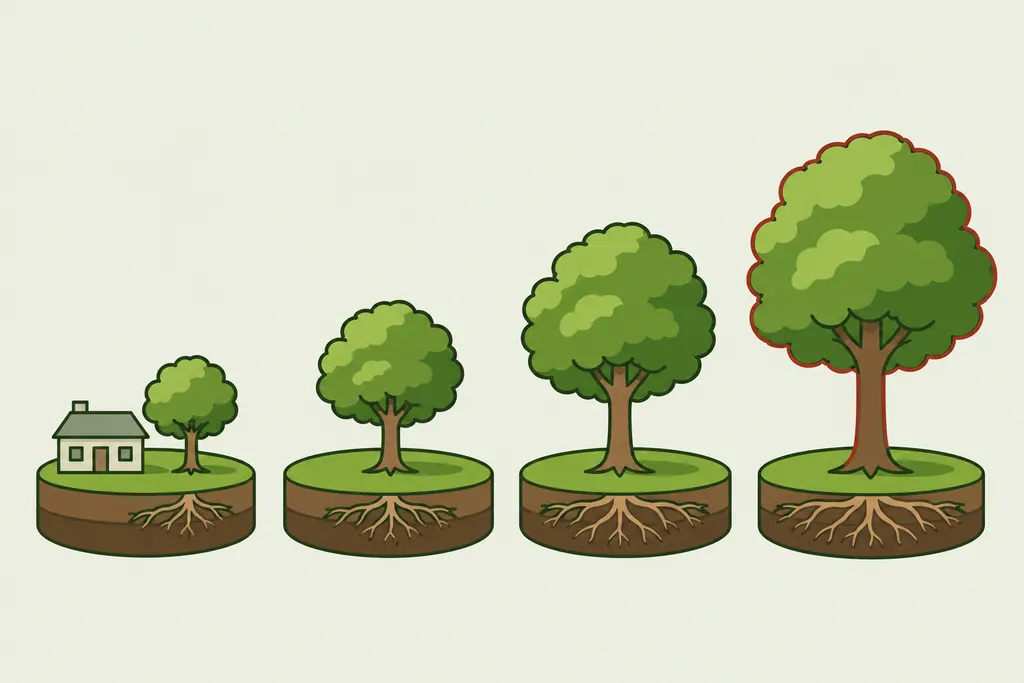
Height is the first thing every crew asks about. A taller tree means more climbing or more bucket-truck time, more rope work to lower pieces, and more wood to cut up and move. Every guide we checked prices by height band, and they agree closely on the bands themselves.
| Tree height | Low | Typical | High |
|---|---|---|---|
| Tree up to 30 ft | $180 | $310 | $450 |
| Tree 30 to 60 ft | $450 | $830 | $1,200 |
| Tree 60 to 80 ft | $830 | $1,150 | $1,500 |
| Tree over 80 ft | $1,080 | $1,540 | $2,000 |
Sources: Fixr, Today's Homeowner, This Old House, Lawn Love, Bob Vila, Housecall Pro, HomeGuide, Angi / HomeAdvisor.
If you want to see how far the guides differ, here is each one side by side. HomeGuide and Today’s Homeowner sit at the top of most bands; Fixr and Lawn Love sit near the bottom. Angi and HomeAdvisor are owned by the same company and publish identical bands, so we count them once.
| Source | up to 30 ft | 30 to 60 ft | 60 to 80 ft | over 80 ft |
|---|---|---|---|---|
| Fixr | $150–$400 | $450–$700 | $900–$1,200 | $1,300–$2,000 |
| Today's Homeowner | $250–$500 | $500–$1,200 | $1,500–$3,000 | $1,500–$3,000 |
| This Old House | $150–$450 | $450–$1,200 | $800–$1,500 | $1,000–$2,000 |
| Lawn Love | $285–$435 | $435–$870 | $870–$1,160 | $1,160–$2,000 |
| Bob Vila | $200–$450 | $420–$1,200 | $800–$1,500 | $1,000–$2,000 |
| Housecall Pro | $150–$450 | $450–$1,200 | $800–$1,500 | $1,000–$2,000 |
| HomeGuide | $200–$500 | $500–$1,500 | $850–$2,000 | $1,200–$2,500 |
| Angi / HomeAdvisor | $150–$450 | $450–$1,200 | $800–$1,500 | $1,000–$2,000 |
Sources: Fixr, Today's Homeowner, This Old House, Lawn Love, Bob Vila, Housecall Pro, HomeGuide, Angi / HomeAdvisor.
Some guides also quote by the foot. LawnStarter puts removal at $10–$14 per foot of height and Lawn Love at $9.50–$14.50. On a 50 ft tree the middle of those two rates works out to roughly $490–$710, which lands inside the 30–60 ft band above.
Price for one height, from a 20-foot to a 100-foot tree
Most questions name a single height: what does a 40-foot tree cost, or a 50-foot one? Each row below answers one height. The first three price columns repeat the band figures above for whichever band that height sits in, so a 40-foot and a 50-foot tree share the same band numbers. The last column multiplies the height by the middle of the two per-foot rates ($9.75–$14.25 a foot), which shows how a quote tends to climb inside a band. The slider above lights up the nearest row, and each row has its own link, such as #cost-40-ft-tree.
| Height | Band it falls in | Band range | Band typical | By the foot |
|---|---|---|---|---|
| 20-foot tree | up to 30 ft | $180–$450 | $310 | $200–$290 |
| 30-foot tree | up to 30 ft | $180–$450 | $310 | $290–$430 |
| 40-foot tree | 30 to 60 ft | $450–$1,200 | $830 | $390–$570 |
| 50-foot tree | 30 to 60 ft | $450–$1,200 | $830 | $490–$710 |
| 60-foot tree | 30 to 60 ft | $450–$1,200 | $830 | $590–$860 |
| 70-foot tree | 60 to 80 ft | $830–$1,500 | $1,150 | $680–$1,000 |
| 80-foot tree | 60 to 80 ft | $830–$1,500 | $1,150 | $780–$1,140 |
| 90-foot tree | over 80 ft | $1,080–$2,000 | $1,540 | $880–$1,280 |
| 100-foot tree | over 80 ft | $1,080–$2,000 | $1,540 | $980–$1,430 |
Sources: Fixr, Today's Homeowner, This Old House, Lawn Love, Bob Vila, Housecall Pro, HomeGuide, Angi / HomeAdvisor, LawnStarter.
Per-foot pricing comes from two lawn-care guides only, so read that column as a cross-check rather than a quote. Above 80 ft it lands below the band figures, so lean on the band price for very tall trees.
Price by species
Species lists are mostly a stand-in for size: oaks, maples and cedars grow tall and heavy, while many palms stay shorter. That is why the same tree type can run from a couple of hundred dollars to over $2,000. Use the filter to compare groups.
| Tree | Group | Middle of sources | Full spread | Guides |
|---|---|---|---|---|
| Oak | Hardwood | $380–$2,000 | $200–$2,500 | 5 |
| Maple | Hardwood | $600–$1,800 | $250–$2,750 | 5 |
| Ash | Hardwood | $490–$1,480 | $250–$2,000 | 4 |
| Pine | Softwood | $250–$1,500 | $200–$3,000 | 5 |
| Cedar | Softwood | $540–$1,870 | $250–$2,000 | 4 |
| Palm | Palm | $250–$1,200 | $200–$1,500 | 5 |
Sources: HomeGuide, Angi / HomeAdvisor, Fixr, Today's Homeowner, Lawn Love.
The guides do not agree on everything. Palms are the clearest split: HomeGuide lists $200–$1,200, while Angi and HomeAdvisor list $650–$1,500. Pine is pricier than oak at LawnStarter but cheaper at Fixr. When sources split like this, height and site conditions are better predictors than the species name. Our palm tree removal guide covers palms in more detail.
What a real quote looks like
Angi itemizes a sample job for one pine. It is a useful picture of how a written estimate is built, because the “tree price” is only one line.
| Line item | Low | High |
|---|---|---|
| Removal | $250 | $1,500 |
| Cleanup and haul-away | $70 | $95 |
| Permit | $60 | $150 |
| Stump, if wanted | $100 | $150 |
| Chipper rental (2 hours), if wanted | $150 | $250 |
| Total without the optional items | $380 | $1,745 |
| Total with them | $630 | $2,145 |
Sources: Angi / HomeAdvisor.
Notice that cleanup and the permit are listed separately. Some crews include hauling in the removal price; others do not. Always ask, because a quote that looks $100 lower may simply leave the logs in your yard.
The extras that change the number
These are the line items that most often turn a $700 job into a $1,500 one. The figures are the middle of the guides that publish each item.
| Extra | Middle of sources | Guides |
|---|---|---|
| Haul away wood and brush (per load) | $75–$150 | 6 |
| Split logs into firewood (per tree) | $75–$100 | 5 |
| Dig out a stump and its roots | $200–$530 | 5 |
| Removal permit, where required | $60–$150 | 3 |
| Travel fee for a long drive | $50–$200 | 2 |
| Stump grinding | $2–$5 per inch, ~$100 minimum | 5 |
| Crane-assisted removal (whole job) | $1,500–$2,500 | 1 |
Sources: LawnStarter, Lawn Love, Today's Homeowner, Fixr, Bob Vila, Angi / HomeAdvisor, HomeGuide, LawnStarter, Fixr, HomeAdvisor, HomeGuide, Angi.
Hazards and access
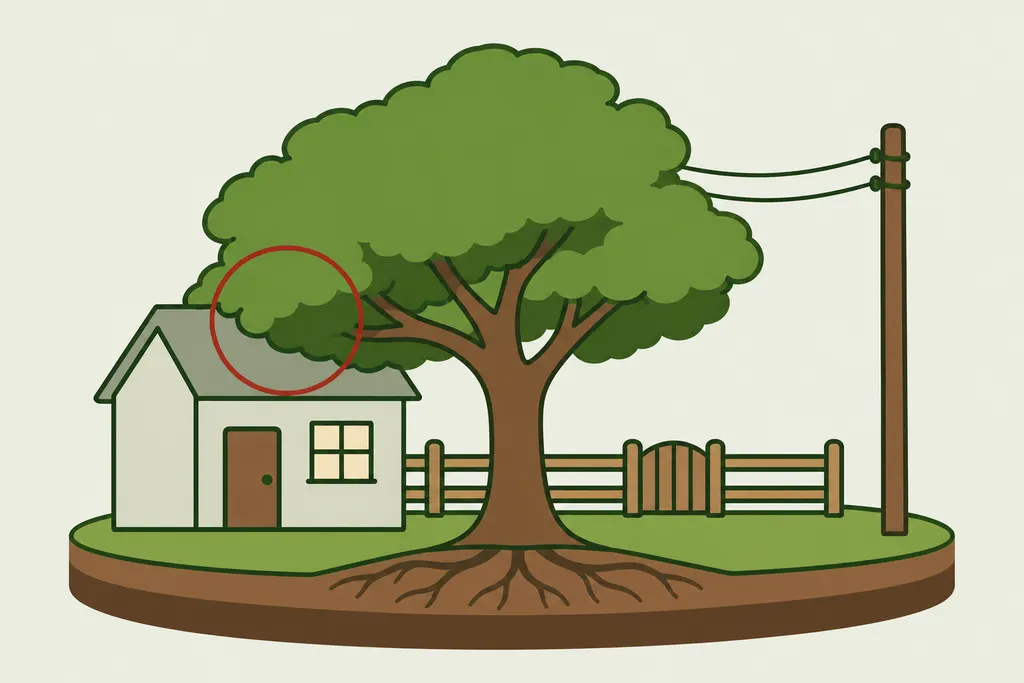
Bob Vila puts the effect of location and access at 25 to 50 percent of the price, and LawnStarter says a hard-to-reach tree can add up to 50%. A tree that leans toward the house or hangs over the roof cannot simply be dropped; it has to be taken down in small pieces on ropes, which takes longer and needs more skill. A backyard tree with no truck access means every log is carried out by hand.
Power lines are their own case. A pricing guide written for tree businesses shows a coordination charge of about 35% on a line-side job. Before you pay for that, call your utility: utilities often trim trees that threaten their lines, including on private property within their easements, though you may be left to deal with the debris.
Crane jobs
When a big tree stands between buildings or over a roof, a crane may be the safest way to lift sections out. Fixr lists crane-assisted removal at $1,500–$2,500 for the whole job. See the large tree and crane removal guide for when crews choose one.
Emergency work
Calls during or right after a storm are usually billed at two to three times the normal rate, according to Fixr and Housecall Pro. If the tree is down in the yard and not on a building, booking a regular slot a few days later can save a lot. Our emergency removal guide explains how to tell which situation you are in.
Wood, stump and permit
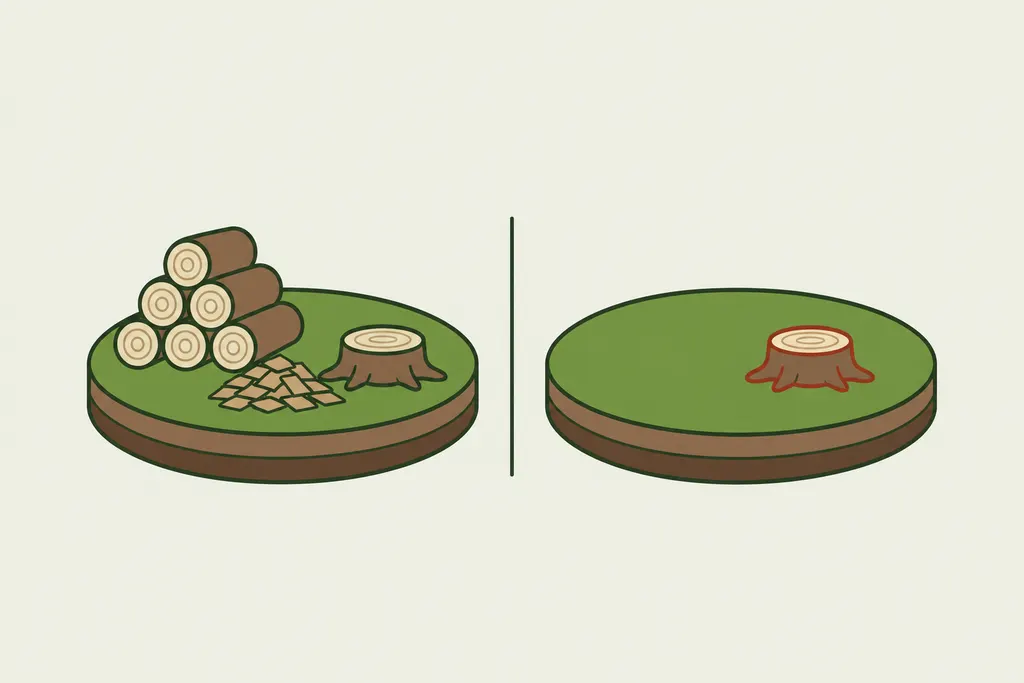
- Hauling: about $75–$150 per truckload. A tree over 60 ft can fill two.
- Firewood: splitting logs costs about $75–$100 per tree if you want to keep the wood.
- Stump: most removal quotes leave the stump. Grinding runs about $2–$5 per inch of width with a $100 minimum; see the stump grinding cost guide.
- Permit: many towns charge $60–$150 where a permit is needed. Check before booking with our permit guide.
What time of year costs less for tree removal?
For a tree that is not a danger, the dormant months from late fall through winter are usually the lower-priced window, with late winter into early spring a close second. The saving is modest, though. Today’s Homeowner puts it at up to 10%, and that is the only guide we found that names a figure. Fixr treats time of year as a minor factor, weighting it at about 5% of what sets the final price. Height, access and hazards still move the bill far more than the calendar does.
Here is how demand tends to run through the year, according to the guides and Penn State Extension:
- Late fall to winter, after the leaves drop. Penn State Extension calls winter an arborist’s slower season, which can mean a better price, and Today’s Homeowner ties its winter saving to lower demand. Bare branches are lighter to rope down, and the crew can see the tree’s structure clearly.
- Late winter to early spring. Trees are still dormant. Fixr points to February and March as a good window, and LawnStarter calls late winter to early spring the most convenient time for a removal that can wait.
- Late spring and summer. Fixr notes that tree crews are very busy in summer, so you may wait longer for a slot and have less room to negotiate.
- Right after a storm. Housecall Pro says storms create a rush of urgent work, and both Fixr and Housecall Pro put emergency calls at two to three times the normal rate. Door-to-door crews also turn up after storms; see the warning signs in our emergency removal guide.
Two practical steps help. Ask for quotes in early fall and book a winter date, and have the stump ground on the same visit rather than paying for a second trip later.
Waiting is not always the cheaper choice. A dead tree, a split trunk or a tree that has started to lean toward the house can fail in the next storm, and an emergency call costs far more than any off-season saving. If you are unsure, check the signs in our guides to dead trees and trees leaning toward a house, and have a certified arborist look before you decide to wait.
Prices by state
Labor and disposal costs vary across the country. Angi publishes typical ranges for a handful of states; click a column to sort.
| State | Low | High |
|---|---|---|
| California | $650 | $1,300 |
| Colorado | $350 | $650 |
| Florida | $750 | $1,500 |
| Illinois | $535 | $730 |
| Maine | $515 | $700 |
| New York | $750 | $1,100 |
| North Carolina | $600 | $900 |
| Texas | $300 | $850 |
| Washington | $550 | $800 |
| Washington, D.C. | $250 | $700 |
Sources: Angi / HomeAdvisor.
These are typical jobs, not a cap. A tall oak over a roof in a low-cost state can still cost more than a small maple in an expensive one.
How to compare two quotes
A quote that looks lower is not always the smaller bill. Line two bids up with this list before you choose.
- Both quotes cover the same trees, and say so by location or species.
- Each says whether hauling, brush chipping and cleanup are included.
- Each says whether the stump is ground, and how deep.
- Each lists the permit, if your town needs one, and who files it.
- You have a certificate of insurance for liability and workers’ compensation, sent by the insurer.
- The total is written as one figure, with a cap if any part is billed by the hour.
- Payment is due when the work is finished, not up front.
NC State Extension’s advice on hiring tree care is plain on two points: get more than one estimate, and weigh skill and insurance above the lower bid. An uninsured crew that damages a roof or has a worker hurt on your property can leave you with a bill far larger than any savings.
Common questions
Why do two companies quote so differently for the same tree?
They may be pricing different jobs. One may include hauling and stump grinding, the other may not. Equipment matters too: a crew with a bucket truck or crane can do some trees faster than a climbing crew, and prices that in.
Is it cheaper to remove a tree in winter?
Often a little, up to about 10% by one guide’s estimate, because crews have less work once the leaves are down. The time-of-year section above walks through each season and when waiting is a bad idea.
Do I need to remove the stump at the same time?
No. But grinding it during the same visit avoids a second trip charge. Most grinding jobs have a minimum near $100, so a later visit for one small stump costs more per inch.
Can I lower the bill by keeping the wood?
Yes. Leaving the logs on site skips the hauling fee, which is often $75–$150 per load. Ask whether the brush will still be chipped and removed.
Does homeowners insurance pay for tree removal?
Sometimes, when a covered event like wind or lightning drops the tree onto a building. A tree that falls in an open yard usually is not covered. See does homeowners insurance cover tree removal.
Read next
- Costs & pricing Stump grinding and stump removal cost What grinding a stump costs per inch, the usual minimum charge, extra stumps, root grinding, and how full stump removal compares.
- Costs & pricing Large tree and crane removal cost What removing a very tall or boxed-in tree costs, when crews bring in a crane, crane-job price ranges, and big species such as oak and pine.
- Permits, insurance & neighbors Do you need a permit to remove a tree? When cities and counties require a tree removal permit, the usual trunk-size triggers, what permits cost, exceptions for dead trees, and how to check your own rules.
- Storm & emergency Emergency tree removal after a storm: cost and first steps Why storm and emergency tree work costs more, what to do before you call anyone, which jobs can wait, and how to spot storm-chaser crews.
Sources (12)
- Fixr Tree removal cost updated Jan 31, 2025 fixr.com (opens in a new tab)
- HomeGuide Tree removal cost 2026 homeguide.com (opens in a new tab)
- Angi How much does tree removal cost 2026 data angi.com (opens in a new tab)
- HomeAdvisor Tree removal cost 2025 data homeadvisor.com (opens in a new tab)
- LawnStarter Tree removal cost updated Oct 5, 2026 lawnstarter.com (opens in a new tab)
- Lawn Love Tree removal cost updated Oct 5, 2026 lawnlove.com (opens in a new tab)
- This Old House Average cost of tree removal updated Mar 5, 2026 thisoldhouse.com (opens in a new tab)
- Today's Homeowner Tree removal cost updated Sep 3, 2025 todayshomeowner.com (opens in a new tab)
- Bob Vila How much does it cost to remove a tree updated Jul 27, 2023 bobvila.com (opens in a new tab)
- Housecall Pro Tree trimming and removal pricing guide updated Aug 21, 2026 housecallpro.com (opens in a new tab)
- NC State Extension How to Hire a Tree Care Professional (AG-691) content.ces.ncsu.edu (opens in a new tab)
- Penn State Extension Winter Is Tree Pruning Season updated Nov 18, 2024; read Nov 25, 2026 extension.psu.edu (opens in a new tab)
About the pictures on this page: they are AI-made diagrams drawn to explain tree work, not photographs of a real yard, tree, crew or job.